EMDR for Kids and Teens

This fun and engaging online course teaches important and developmentally appropriate skills for integrating the 8 phases of EMDR into child and adolescent therapy.

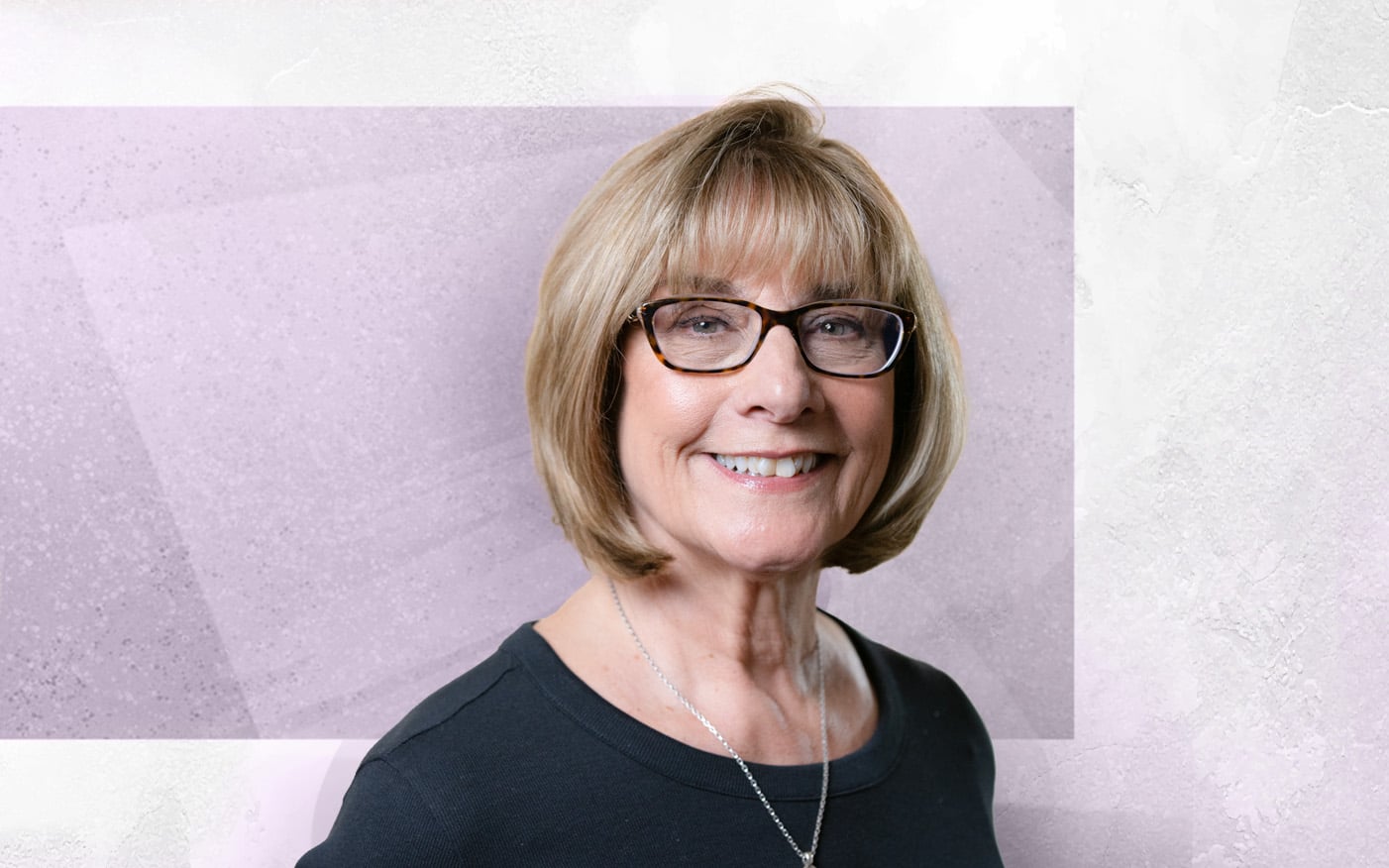
A woman(Carolyn Settle) with short blonde hair, wearing glasses and a dark top, smiles at the camera. The background features light purple and gray rectangular shapes.

About the course

Start date
Immediate access
Length
12 hours | On-Demand (12 months access)
Who this course is for
For EMDR Trained Therapists | Advanced Level
Accreditation
12 CE/CME Credits + 12 EMDRIA PointsSee all accreditation details
Organization Enquiries
Find out more

EMDR therapy with children and adolescents can profoundly impact the trajectory of their lives by healing trauma, building resiliency, and addressing distress early. This six-week child and adolescent-oriented course focuses on basic and advanced applications of EMDR therapy with this delightful, yet vulnerable population. 

Join Carolyn Settle, a respected researcher, author and renowned trainer at Francine Shapiro's EMDR Institute, as she teaches developmentally appropriate skills to integrate the 8 Phases of EMDR into child and adolescent therapy (0 to 18-years-old). 

Through engaging video demonstrations featuring a range of client presentations, you will learn creative and powerful tools designed to address the specific needs and complex issues children, teens and their families face today. 

As a psychotherapist for over 40 years, Carolyn Settle shares her personal experiences of translating EMDR therapy into kid-friendly language through play, art, and expressive therapies. Develop the ability to conceptualize and address a wide range of child and teen issues including trauma, abuse, and neglect. You will also be able to understand the unique ways young people communicate during reprocessing, as well as methods to adapt the protocol when processing appears stuck or the client is avoidant. 

This course will expand your expertise and assist in understanding the remarkable healing which can occur when using EMDR therapy with children and teens.

If you would like to request an invoice, please fill out the form here.

What You'll Learn

Course Goals

  • Demonstrate the 8 Phases of EMDR therapy using developmentally appropriate language and approaches for infants through adolescents
  • Assess emotional, physical, and social issues for targeting, as well as identifying internal and external resources for strengthening
  • Implement Case Conceptualization and Treatment Planning Phase regarding pacing and timing of EMDR in outpatient/inpatient settings
  • Practice Mapping as a way of identifying targets and developing a Treatment Plan
  • Apply creative, child and teen-friendly resource development and cognitive interweaves techniques
  • Apply Eye Movement Desensitization (EMD) for emotional regulation  
  • Utilize EMDR therapy in the specialty areas of (but not limited to); attachment, anxiety, dissociation, and preverbal trauma 

Course excerpts


What People Say About This Course

Cindy WhiteSocial Worker - Highland, UT

So well organized. The therapy demonstrations are particularly helpful. This is such a thorough review of basic training with the addition of many clinical demonstrations with challenging issues. I have not experienced a more effective advanced specialty training in terms of instilling confidence and clarifying skills. I can't wait to recommend this course!

Arthur Sone-Wai LiPsychologist - Hobart, Tasmania, Australia

Take the course to gain insight into working with children. I enjoyed watching the demonstration, and noticing different approaches, tools and techniques used by Carolyn.

Amy VisserPsychologist - Sidney, British Columbia, Canada

Everything has been great! Carolyn is such a great presenter, and the client demonstrations are so valuable. I love the videos and the variety of clients and presenting issues that Carolyn covers. They really bring the concepts to life! The course is very thorough and well-organized, making it easy to follow and absorb the material. I really enjoyed how vast and comprehensive the topics and content are. She’s been incredibly helpful in integrating my learnings from the EMDR basic training. The platform has been a smooth experience overall!

Carla ThorogoodLicensed Professional Counselor - Alberta, Canada

Very informative, especially the therapy demonstrations. Great addition to EMDR basic training especially when it comes to working with kids.

Tiffany StathamSocial Worker - Utah/USA

I like it because of the clear concepts and teaching format. I like the activities and suggestions for including kids and teens. The correlation with developmental stages and what to look for in kids’ responses.

Dr. Sharon FedderlyPsychologist - Milwaukee, Wisconsin
This course provides a wealth of information about doing EMDR with children and teens. Carolyn presents so well and the format is easy to follow. I love all the additional expert insights and the opportunity to hear Dr. Shapiro's wisdom peppered in throughout.

Continuing Education & Professional Development (CE/CME/CPD)

EMDR for Kids and Teens is designed for EMDR trained therapists worldwide. On completion you'll receive an official certificate of completion, which can be submitted to registration bodies for CPD.

Participants can earn 12 EMDRIA Points for this training.

This course is also accredited for 12 CE/CME credit hours for US licensed professionals:

  • Psychologists - 12 CE hours, APA — co-sponsored with Amedco, an APA-approved sponsor

  • Social workers - 12 general CE credits, ASWB ACE

  • Physicians - 12 AMA PRA Category 1 Credits™, ACCME

  • Nurses - 12 contact hours, ANCC

  • Counselors, MFTs & addiction professionals - 12 hours, accepted by most US state boards via APA and ASWB ACE credit - see the state-by-state list

  • Approved CE activity with the New York State boards for Psychology, Social Work, Mental Health Counseling, and Marriage & Family Therapy.

View the full learner notification for this course (PDF) - includes complete accreditation statements, state board acceptance lists, learning objectives and faculty disclosures.

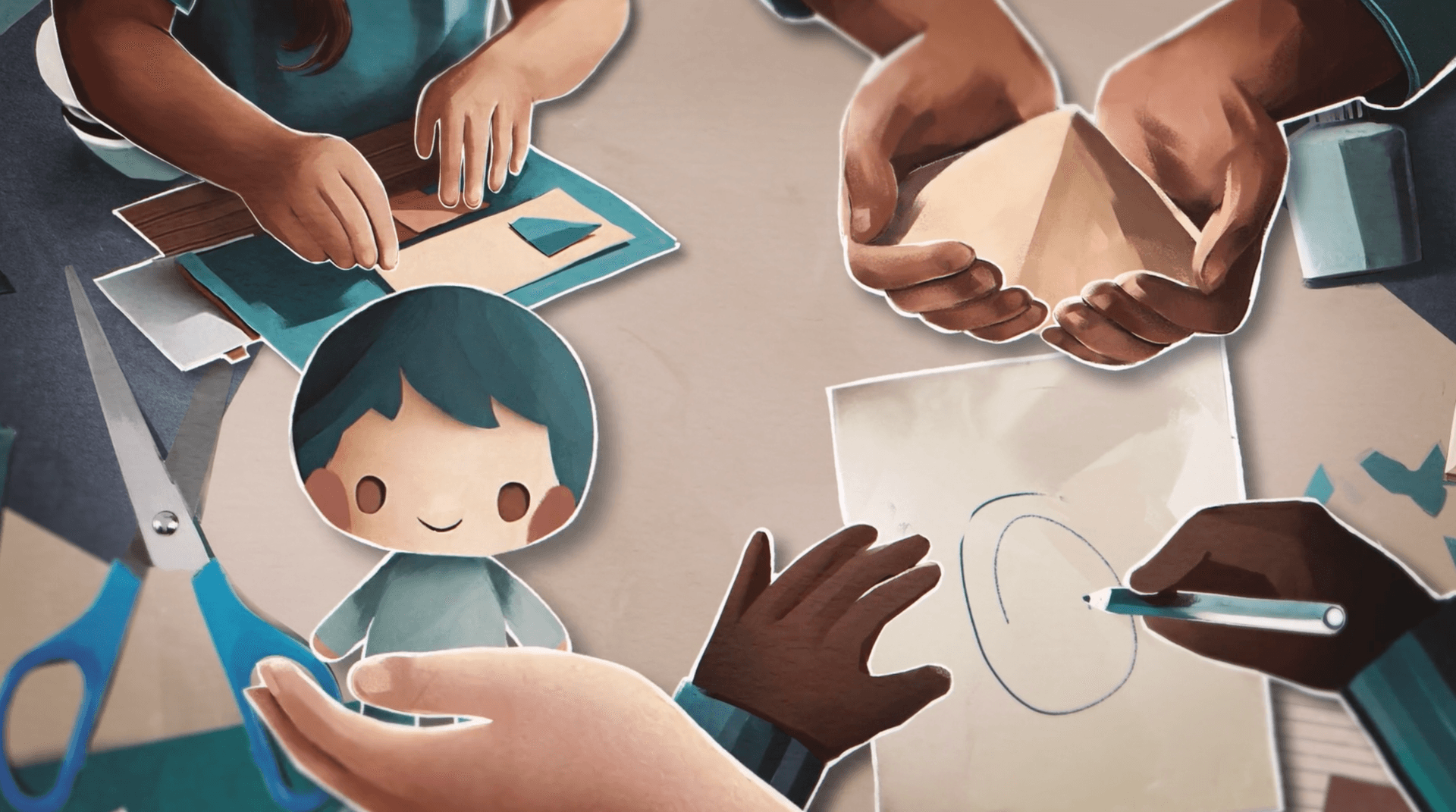
collage of kids activities

How Your Course Works

You might also be interested in